Posts

Showing posts with the label hi fidelity patient simulator

Ultimate Guide: Low Fidelity vs High Fidelity Simulators Best Training Choice

Image
Low fidelity vs high fidelity simulators is a crucial comparison every medical educator, student, or institution must make before investing in simulation technology. Simulation-based learning has transformed healthcare education by offering safe, controlled environments for skill practice. But the question remains  should you choose low-fidelity or high-fidelity simulators? Press enter or click to view image in full size This comprehensive guide will walk you through the differences, benefits, limitations, and ideal use cases to help you make an informed decision. What Are Low-Fidelity Simulators? Low-fidelity simulators are basic training tools used to practice fundamental clinical skills. These include simple anatomical models or task trainers like CPR manikins, IV arms, or airway heads. Key Features of Low-Fidelity Simulators Limited realism Focus on specific skills Highly affordable Easy to use, maintain, and transport Best For: Medical schools with limited budgets Beginners le...

How Hi-Fidelity Patient Simulators Are Transforming Trauma and ATLS Training?

Image
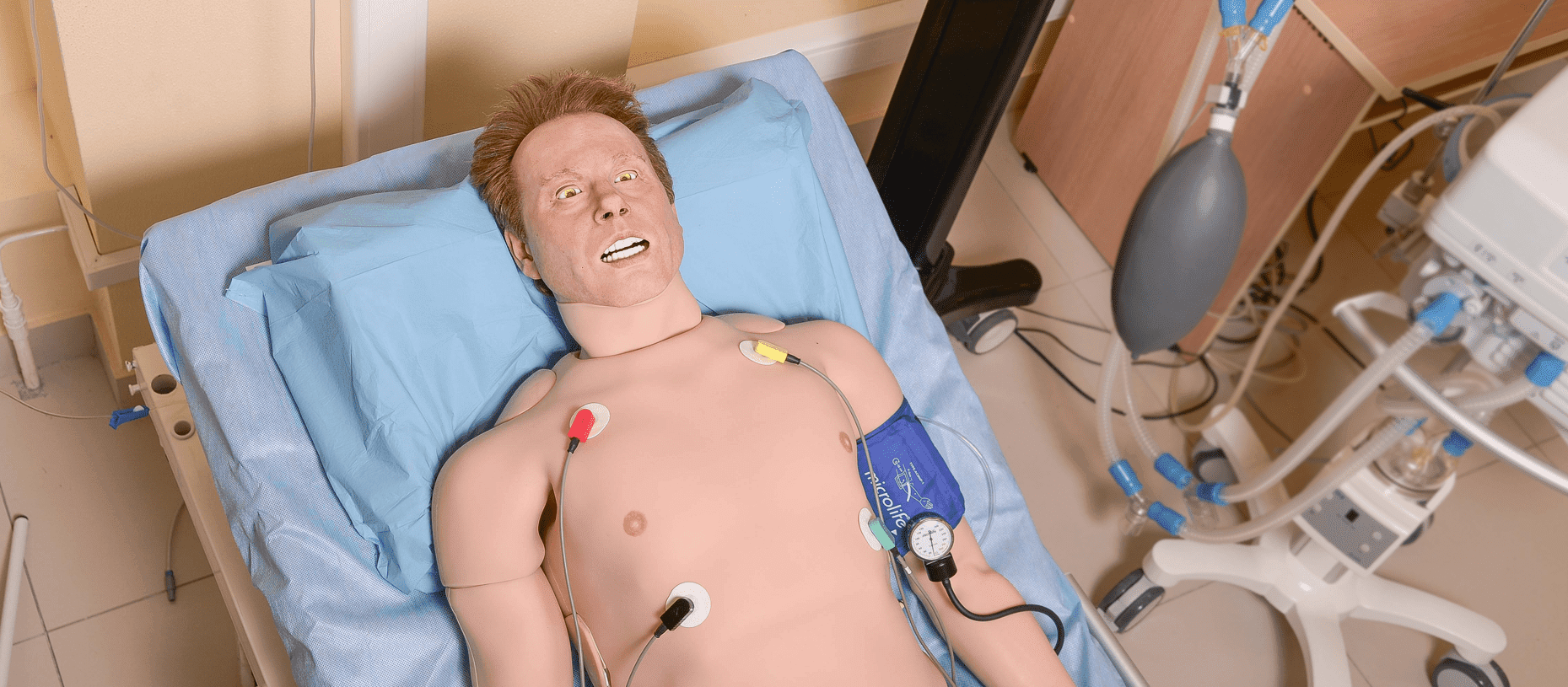
In the fast-paced world of healthcare, the ability to respond quickly, accurately, and confidently in critical situations can mean the difference between life and death. Traditional training methods, while valuable, often fall short in preparing medical professionals for the unpredictable nature of real-world emergencies. This is where advanced simulation technology steps in, bridging the gap between theory and practice. Among the most impactful innovations are the hi-fidelity patient simulator , trauma care simulator , and ATLS simulator . Hi-Fidelity Patient Simulator: A New Era in Medical Learning A hi-fidelity patient simulator is designed to replicate human physiology and responses with an exceptional level of realism. These simulators breathe, blink, talk, and exhibit vital signs, allowing trainees to interact with them just as they would with real patients. They can simulate a wide range of medical conditions, from heart attacks to respiratory distress, enabling learners to p...

How many types of patient simulator that saving patient life?

Image
As a technological services provider company. We have a team of engineers, doctor that knowledge next level and provide best solutions. In order to create specialized solutions in the field of medical simulation, Maveric Solution Inc. has teamed with the most cutting-edge technology firms in the world, including Anatomage, Neosim, Organis, Medvision, 3D Systems, Artec, and Luxion. This attitude of invention and life-saving through simulation is what motivates us to take on the most difficult problems. It is the top company in the world for cutting-edge medical simulation that prevents medical mistakes and saves lives in the real world. The goal of Maveric Solution Inc. is to establish itself as a single-window industry leader in providing cutting-edge products solutions to the medical community in order to support the creation of a uniform training program and curriculum for medical schools. Our goal with our health simulation solutions is to facilitate patient safety by offering tea...

How Patient Care Simulator Help to Saving Human Lives and It’s Benefits

Image
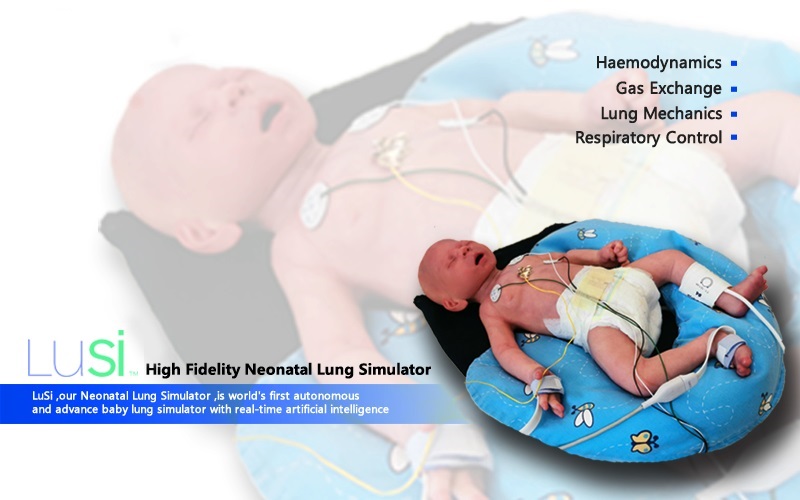
Simply we can define simulator is a device that creates the effect of being in condition of some kind. A machine that creates the realistic sensation that you're operating a vehicle is a simulator. A device that enables the operator to reproduce or represent under test conditions phenomena likely to occur in actual performance. Autonomous Human Lung Simulator LuSi TestChest Leonardo critical care LuSi is baby lung simulator world`s first self-reliant and enhance infant lung simulator with real-time synthetic intelligence. To educate clinicians within side the evaluation of pulmonary feature and responds to remedy without operator`s intervention. It can simulate pathologies like RDS, lung collapse, vulnerable muscular activity, pneumothorax, airway obsctruction,etc.   LuSi responds to treatment without operator intervention and may simulate pathologies like RDS, lung collapse, vulnerable muscular activity, pneumothorax, airway obstruction, etc. Some applications of resp...