Posts

Showing posts with the label ATLS simulator

How Hi-Fidelity Patient Simulators Are Transforming Trauma and ATLS Training?

Image
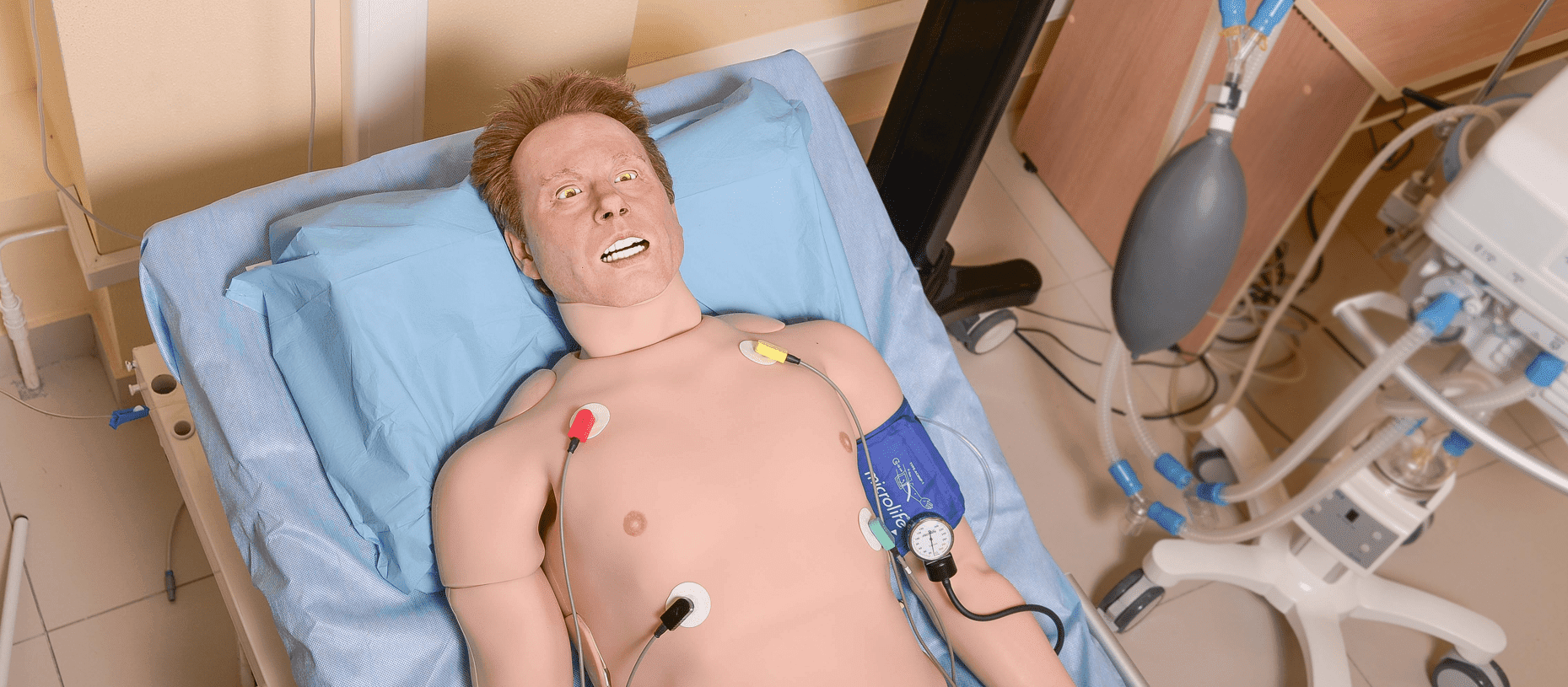
In the fast-paced world of healthcare, the ability to respond quickly, accurately, and confidently in critical situations can mean the difference between life and death. Traditional training methods, while valuable, often fall short in preparing medical professionals for the unpredictable nature of real-world emergencies. This is where advanced simulation technology steps in, bridging the gap between theory and practice. Among the most impactful innovations are the hi-fidelity patient simulator , trauma care simulator , and ATLS simulator . Hi-Fidelity Patient Simulator: A New Era in Medical Learning A hi-fidelity patient simulator is designed to replicate human physiology and responses with an exceptional level of realism. These simulators breathe, blink, talk, and exhibit vital signs, allowing trainees to interact with them just as they would with real patients. They can simulate a wide range of medical conditions, from heart attacks to respiratory distress, enabling learners to p...

How Hi-Fidelity Patient Simulators and ATLS Technology Are Changing Healthcare?

Image
In today’s evolving medical landscape, the demand for realistic, hands-on training tools is more urgent than ever. Traditional methods like textbook learning and cadaver dissections are no longer enough to fully prepare healthcare professionals for real-life emergencies. This is why innovations like hi-fidelity patient simulators , ATLS simulators , 3D anatomy tables , and adult and pediatrics lung simulators are transforming the way we educate, train, and prepare medical personnel globally. Whether you’re a medical educator, a hospital administrator, or a healthcare policymaker, understanding these technologies and how they integrate into your training systems can significantly improve clinical outcomes and patient safety. What is a Hi-Fidelity Patient Simulator? A hi-fidelity patient simulator is an advanced, computerized manikin that can mimic real human physiological responses. These simulators are equipped with features such as realistic heartbeats, breath sounds, pupil dilat...

Medical Training with Hi-Fidelity Patient Simulators for Trauma, ATLS, ACLS, and Nursing Care

Image
In the ever-evolving world of healthcare, medical simulation technology has become an essential tool for training professionals and improving patient outcomes. Among these advancements, the   high-fidelity patient simulator   stands out as a groundbreaking innovation in medical education. This advanced tool is designed to replicate real-life medical conditions and scenarios, offering an immersive experience that enhances learning and decision-making skills in critical care settings. Whether it’s for trauma care, Advanced Trauma Life Support (ATLS), Advanced Cardiovascular Life Support (ACLS), or nursing practice, the versatility of these simulators is transforming the way medical professionals are trained. The Role of Hi-Fidelity Patient Simulators in Medical Education Hi-fidelity patient simulators are designed to replicate human anatomy, physiology, and medical conditions with high accuracy. These simulators offer tactile feedback, breathing, heartbeats, and realistic physio...

What do you understand by simulator and How they saving human lives?

Image
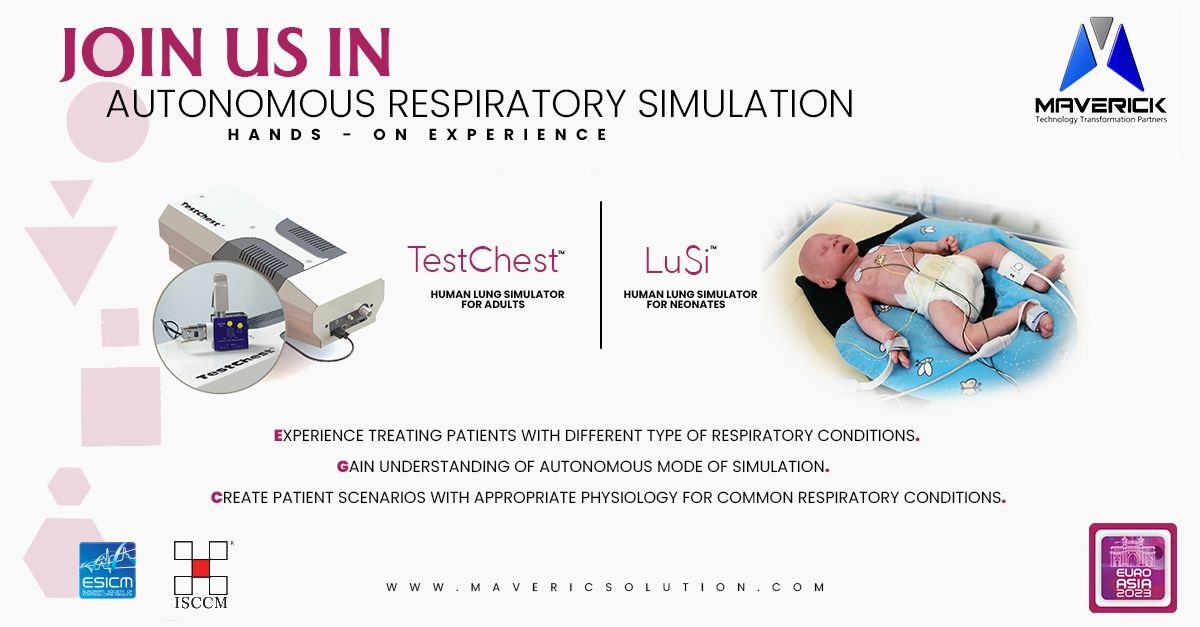
  A simulator is a device, software, or system that imitates or replicates real-world situations, processes, or environments to provide a realistic and controlled environment for training, practice, experimentation, or entertainment. Simulators are designed to mimic the behavior and characteristics of the real thing, allowing users to interact with and learn from simulated scenarios without the risks, costs, or consequences associated with real-world experiences. Simulators are used across various fields and industries, including aviation, healthcare, engineering, military, entertainment, and more. What is the feature of baby lung simulator? A " baby lung simulator " could refer to a simulation device or software used for training medical professionals in the context of neonatal or pediatric respiratory care. These simulators aim to replicate the physiology and challenges associated with managing the respiratory health of new-born or young children. These simulators m...

What do You Understand By High Fidelity Patient Care ACLS & ATLS Simulator?

Image
An ACLS (Advanced Cardiovascular Life Support) simulator is a software tool that allows healthcare professionals to practice and enhance their skills in managing cardiac arrest and other medical emergencies. ACLS simulators typically simulate a range of scenarios that healthcare professionals may encounter in their practice, including scenarios involving cardiac arrest, stroke, and respiratory distress. ACLS simulators can provide a realistic and immersive training experience, with simulated patient monitors, defibrillators, and other medical equipment. Healthcare professionals can practice responding to simulated emergencies, making critical decisions, and providing appropriate treatments in a safe and controlled environment. ACLS simulators can be used for individual and group training, and can be tailored to the specific needs of different healthcare settings and specialties. They can also be used for certification and recertification programs, allowing healthcare professionals...